
Spring Safety Risks for Outdoor Teams: Practical Tips Every Business Owner Should Know
As winter fades and outdoor projects become a priority again, many business owners take advantage of the warmer weather to spruce up their commercial spaces. Spring is a great time to refresh landscaping, repair exterior features, and prepare your property for increased activity. However, the transition into the season also brings safety challenges that can lead to injuries, unexpected downtime, or even insurance claims if they aren’t addressed early.
By taking a little time now to assess your space, organize your equipment, and remind your team of seasonal best practices, you can significantly reduce risk and start spring operations on the right foot. Below are straightforward steps to help you create a safer environment for anyone working outdoors.
Inspect Outdoor Spaces for Winter Wear and Tear
Months of snow, ice, and freezing temperatures can leave hidden damage around your property. Cracks in walkways, loose handrails, broken pavement, and uneven surfaces are all common hazards that often remain unnoticed until someone is hurt.
Take a slow walk around your building and focus on areas such as parking lots, pathways, stairs, and entrances. Look for anything that could cause a slip, trip, or fall. If you spot damage, plan repairs as soon as possible—whether that means filling potholes, repainting edges on steps, securing railing, or adding temporary traction mats. Addressing issues early can save you headaches (and potential claims) down the road.
Remove Debris and Clear Work Areas
Outdoor spaces tend to accumulate clutter over time. Forgotten tools, rolled hoses, electrical cords, and leftover project materials often end up where they don’t belong. These obstacles can easily become tripping hazards for your team or customers.
Make it part of your seasonal routine to tidy up all outdoor work zones. Store equipment in designated areas, remove unnecessary items from pathways, and check that high-traffic zones are free of obstructions. A clean workspace improves safety and efficiency.
Test and Tune Up Outdoor Equipment
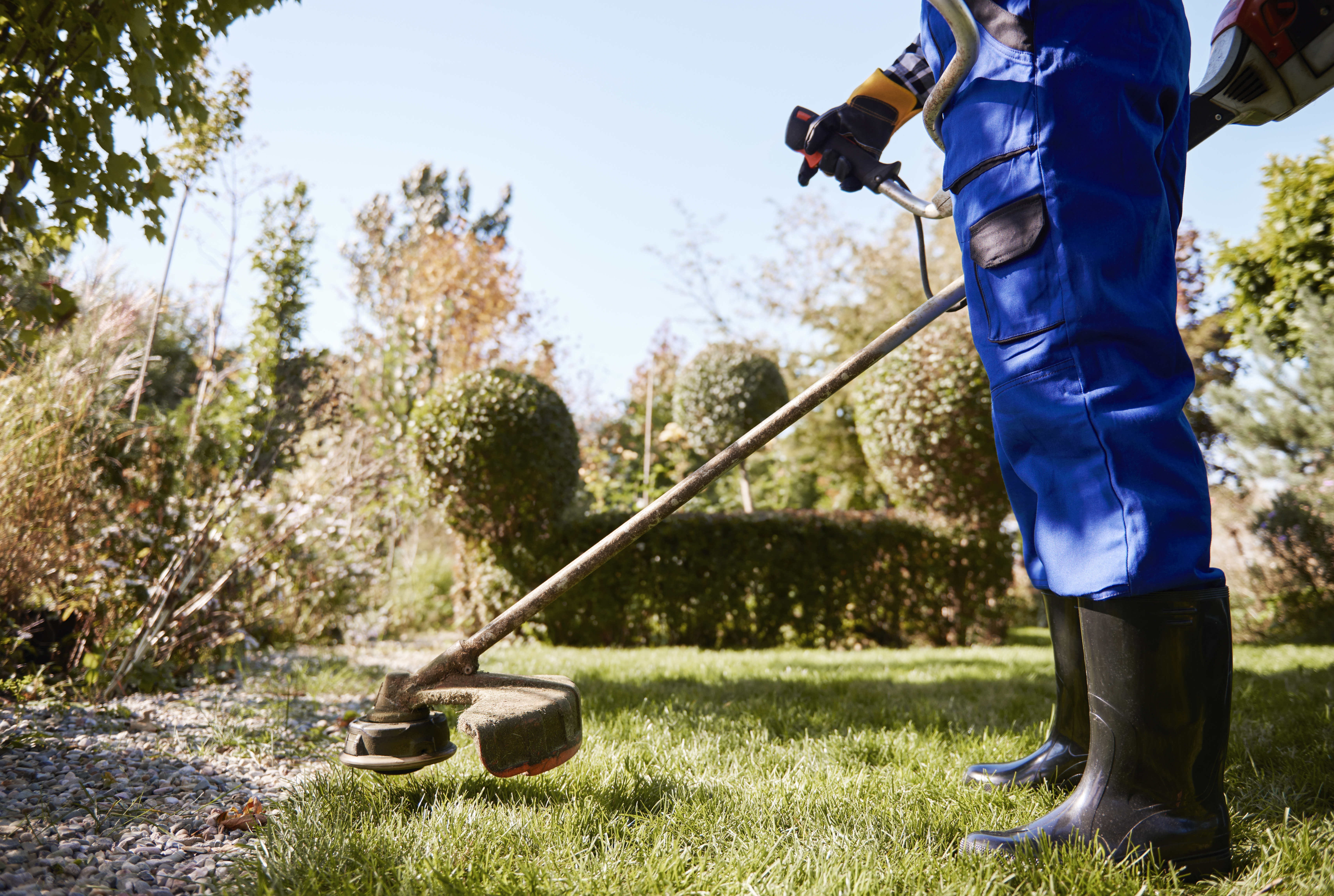
Once spring arrives, outdoor tools like lawn mowers, hedge trimmers, blowers, and pressure washers get pulled out of storage. Before your team puts them to use, it’s wise to give everything a quick inspection.
Check for frayed cords, loose parts, damaged guards, or failing switches. Replace anything that doesn’t look reliable and ensure equipment is functioning properly. Small maintenance steps now reduce breakdowns later—and help prevent accidents caused by malfunctioning tools.
Ensure Ladders Are Used Safely
Tasks like hanging signs, trimming branches, or reaching second-story windows often require ladders. While they’re a common tool, they’re also one of the biggest sources of preventable injuries when misused.
Protect your team by confirming ladders are stable, undamaged, and positioned on steady ground. Remind employees not to overreach or climb higher than recommended. A quick refresher on ladder safety could make a significant difference in keeping workers protected.
Encourage Safe Lifting and Prevent Overexertion
Spring projects typically involve moving supplies, hauling equipment, and completing physical tasks after months of slower outdoor activity. This sudden increase in workload can lead to muscle strains or back injuries if workers aren’t careful.
Reinforce basic lifting techniques such as bending at the knees, keeping loads close to the body, and avoiding twisting motions. Encourage team members to ask for help with heavier items instead of attempting to carry them solo. Promoting good habits helps reduce injuries and keeps projects moving smoothly.
Refresh and Check Personal Safety Gear
Spring often means more exposure to flying debris, thorny plants, and potential hazards hidden in overgrowth. Ensuring your team has the proper gear is an easy way to avoid injuries.
Confirm that everyone has sturdy footwear, durable gloves, and protective eyewear. If employees work near roadways or in low-visibility zones, bright or reflective clothing can help keep them visible. On bright days, sunglasses can help shield eyes from glare while working outdoors. Having the right equipment shows employees their safety matters.
Prepare for Sun, Heat, and Springtime Insects
As temperatures rise, outdoor workers face additional challenges like direct sunlight, warm weather, increased physical strain, and pesky insects. These conditions can lead to discomfort, dehydration, or allergic reactions.
Encourage workers to take regular water breaks, wear sunscreen, and use insect repellent when necessary. Long sleeves, hats, and shaded rest areas can also help protect against sunburn and heat stress. These proactive measures help keep your team healthy and productive throughout the season.
Review Emergency Plans and Supplies
Spring is an ideal time to double-check your emergency readiness. A well-stocked supply kit and clear procedures help your team act quickly if something unexpected happens.
Test smoke alarms, inspect fire extinguishers, and restock your first-aid kits. Make sure employees understand evacuation routes, emergency contacts, and basic response steps. Being prepared helps reduce the potential impact of an emergency situation.
Keep Strong Insurance as a Safety Net
Even with thorough planning and strong safety habits, accidents can still occur. That's why reliable commercial insurance remains essential for business protection. Policies like workers’ compensation and general liability offer important financial support if something goes wrong.
If it’s been a while since you last reviewed your coverage, spring is a perfect time to revisit it. With outdoor work activity increasing, now is the time to confirm that your policies are updated and aligned with your current needs.
If you’d like help reviewing your commercial insurance options, give us a call. We’re here to make sure your business is prepared for whatever spring may bring.